
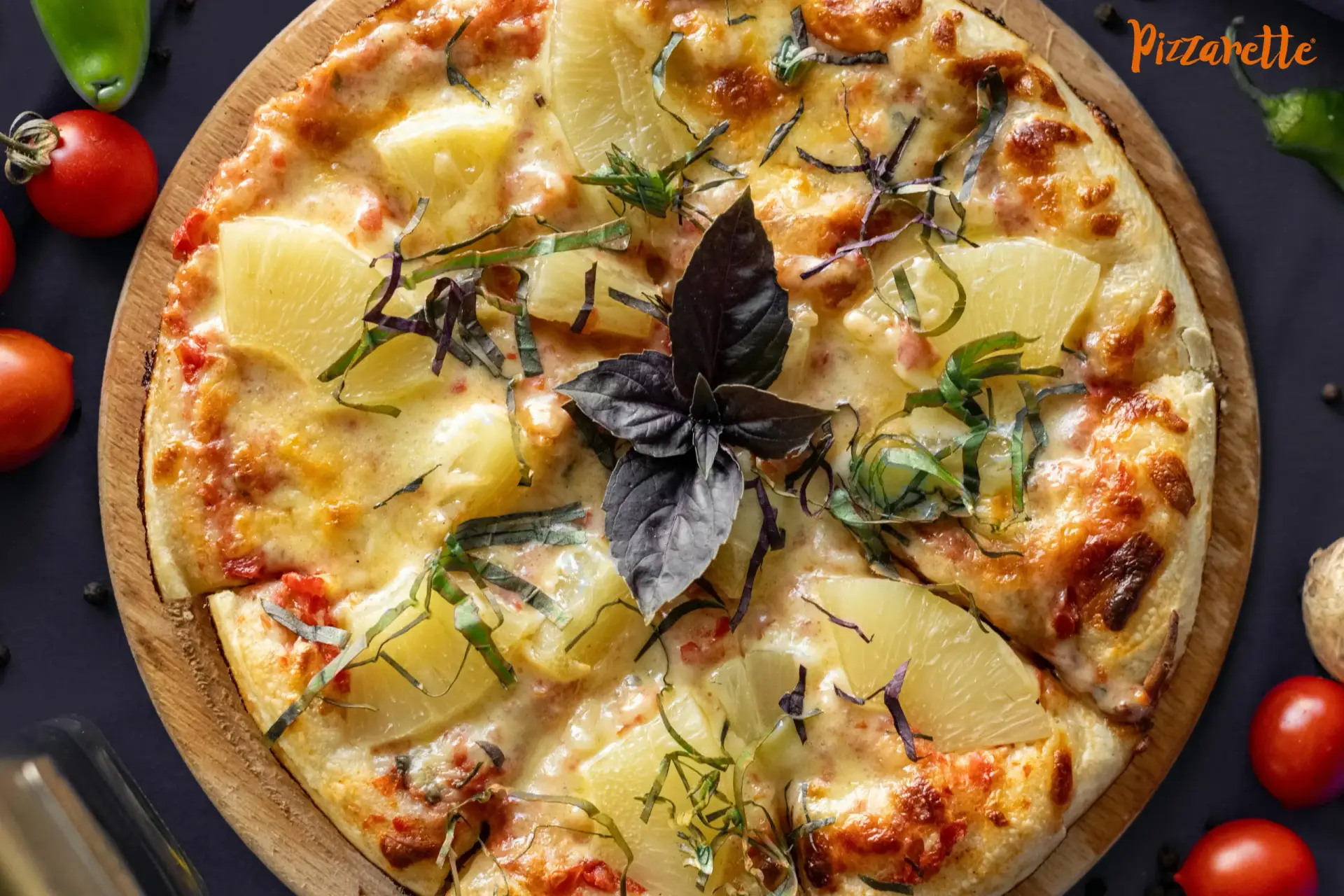
Australian chef fired because he refused to put pineapple on pizza
A while ago, I came across this article on (yet another) discussion about pineapple on pizza. Apparently, it’s still a topic that people are talking about, so I thought I might as well write another piece on it. It’s this article
Well, Italians and their pizza – as a non-Italian, you really shouldn’t say anything about it. But by now, pizza – which originated in Italy – has spread so widely across the world that I actually think other nationalities are entitled to have their say on the matter too. So this chef refused to put pineapple on pizza and was sacked as a result. The chef called it an insult to his culture. So the question is, to what extent is pizza part of Italian culture? I’m curious, for example, whether it features on UNESCO’s World Heritage List. If so, the chef might well be right.
Unesco
So I had a quick look online and sure enough, Neapolitan pizza is on UNESCO’s Intangible Cultural Heritage List. What’s more, Italian cuisine itself features on this list, with dishes such as pasta and pizza. I can imagine that the Italian chef in question wouldn’t want to be associated with something that goes so much against his principles. But on the other hand, the customer is king, so can you really refuse?
Family story
It reminds me of a story I experienced myself a long time ago in France. Whilst on holiday, we went to a little restaurant run by Dutch people. We ordered steak and were served chips with overcooked tinned vegetables on the side. Not exactly a top-notch meal, then. On another table stood a bottle of tomato ketchup. My husband asked the owner, who was serving us: ‘May I have some ketchup with the chips?’, to which she replied (with a thick French accent), ‘But sir, ketchup??? That’s an affront to French cuisine’.This remark is still a running joke in our family whenever someone asks for something at a meal that really doesn’t go with it (like apple sauce over vegetables because you wouldn’t eat them otherwise).
My opinion
Back to the topic at hand: is it allowed or not? I’m not Italian and don’t feel any cultural connection to pizza, so as far as I’m concerned, it’s fine. I reckon I’ll be in the hot seat with real Italians too, because I’ve published recipes for ‘pizzarette’, such as pizza with pear, pizza with berries, and pizza with Nutella and marshmallows. So, I hereby apologise to the Italians and anyone else who feels offended.
But before you judge me, just think about Dutch food culture, where we consider the following to be the height of culinary achievement: Croquettes, liquorice, raw herring with onions, stamppot with smoked sausage (for non-Dutch readers: that’s vegetables cooked until completely soft, mashed with boiled potatoes and then topped with a lovely thick meat gravy. You can make this with, for example, carrots and onions, kale or sauerkraut). In short, with a background like that, you can put whatever you like on your pizza. Although I must say I really enjoy a traditionally made pizza at an Italian restaurant, such as the quattro stagioni, a margherita with a homemade tomato sauce and buffalo mozzarella, tonno, or a calzone. They’re all equally delicious. But what I believe is the most important ingredient of all: a little love in the pizza. I think that applies to everything you eat: if it’s prepared with a bit of care and you can taste that in the end result, then it tastes absolutely delicious, whether or not there’s pineapple on top. I hope the chef has now found another lovely restaurant to work at so that everyone can enjoy his creations.